Introduction
Almost every enquiry I get about airbrush vs traditional bridal makeup comes from the same place: brides have heard that airbrushing is the only way to get a flawless, photo-ready finish, and they want to know if skipping it means skipping quality. It doesn’t. I haven’t used an airbrush compressor in years, and the results speak for themselves on faces I photograph in daylight, on dance floors, and in every wedding album that comes back to me afterwards.
What Airbrush Makeup Actually Is
Airbrush makeup uses a small compressor and a spray gun to apply a thin, even layer of liquid foundation across the skin, without the makeup artist’s hand touching your face. It became popular in bridal and photography circles because it can lay down very light coverage quickly, and for a long time, it was considered the gold standard for camera-ready skin. That reputation has outlasted the reasons behind it.
Where Traditional Application Has Overtaken It
Professional brush application has genuinely replaced traditional airbrushing for most bridal work, and the reason comes down to the products, not the tools. Modern cream and liquid formulas are built to be layered and refined with precision in a way that spray-based products simply can’t match. A brush lets me build coverage exactly where you need it: around a blemish, along the jawline, across the T-zone, while leaving the rest of your skin visible and untouched.
That distinction matters more than most brides realise. Airbrush makeup tends to apply the same thin layer everywhere, which looks even in photos but can also look flat and mask-like in person, especially under the mixed lighting of a wedding day: natural light for the ceremony, warm venue lighting for the reception, camera flash for the dance floor. Brush-applied makeup moves and catches light the way real skin does, because it’s built in layers that respect your actual skin texture.
The Coverage Question
The idea that airbrushing gives better coverage isn’t really true anymore. With the right brushes and the right products, I can customise your coverage exactly to what your skin needs on the day: full coverage over anything you’d rather not see in photos, and nothing heavier than that everywhere else. The finish is seamless and buildable, without ever tipping into a mask that sits on top of your skin rather than working with it.
This is the finish brides often describe as “airbrushed” when they see their photos: flawless, camera-ready, without a single visible edge or line. I can get you there with brushes and high-performance products, and without a compressor anywhere in the room.
Longevity on the Wedding Day
A wedding day is long. You’re up before sunrise, photographed through the ceremony, and still dancing at 11pm, and your bridal makeup needs to hold through all of it, tears included. Traditional application, done properly with the right primers and setting techniques, lasts just as long as airbrush makeup, if not longer, because the products used in brush application are formulated to bond with skin rather than sit on the surface.
Why I Made the Switch
I moved away from airbrushing because the results simply got better once I did. Brush application gives me more control, not less. I can adjust coverage in real time, respond to how your skin looks under studio lighting versus how it will look at your ceremony, and build a finish that’s tailored to you rather than sprayed on in a single uniform pass. The goal was never to avoid airbrushing for its own sake. It was to get you perfected skin that still looks like skin.
What Brides Notice in Their Photos
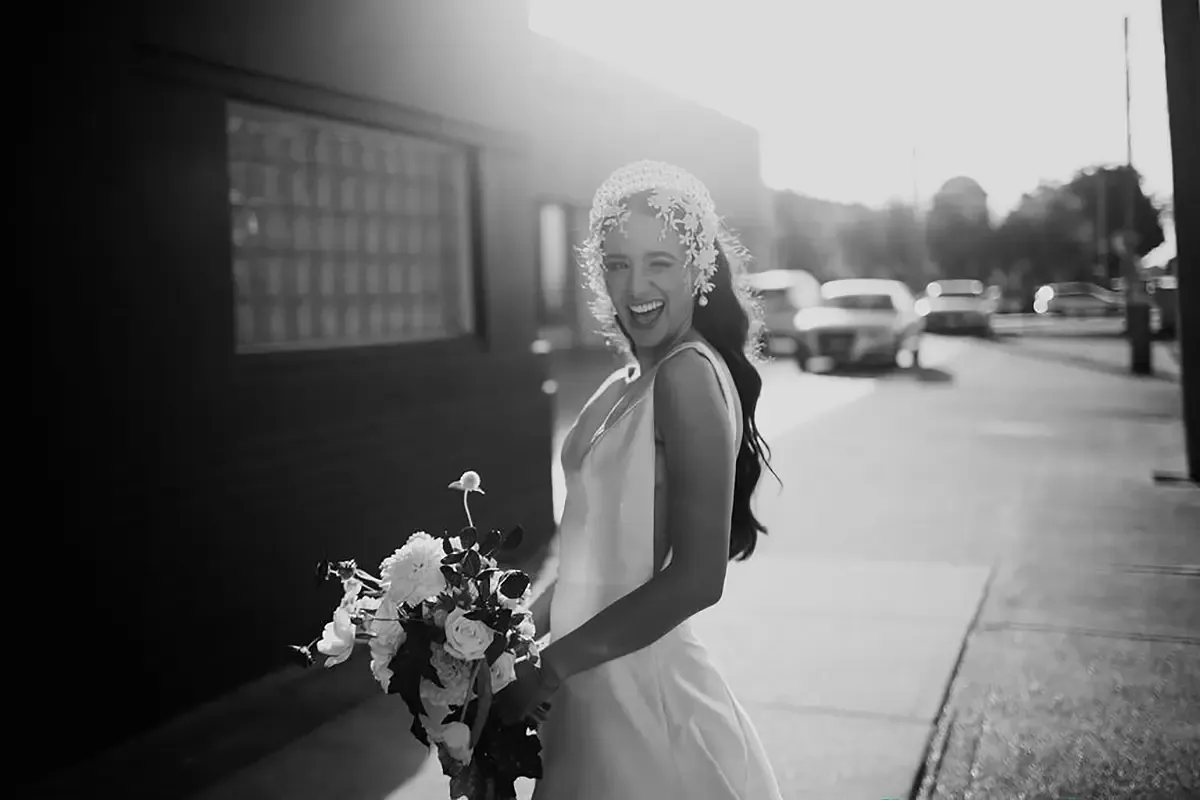
The most common feedback I get back after a wedding isn’t about the ceremony or the styling. It’s brides telling me they can’t tell where the makeup starts in their photos. That’s the actual goal of the airbrush vs traditional bridal makeup question, whichever method gets you there. A finish that reads as skin, not product, holds up under a photographer’s lens far better than a technically even layer that looks slightly artificial up close. Traditional application, built in thin layers with the right brushes, tends to win on exactly that measure.
What This Means for Your Trial
If you’ve specifically requested airbrush makeup because you’ve read that it’s essential for good wedding photos, bring that up at your trial. I’ll happily show you the finish brush application achieves, and you can judge it against your own photos rather than against a rule of thumb that’s a decade out of date. Most brides who come in asking about airbrush vs traditional bridal makeup leave with a clear preference, once they’ve seen both side by side.